What Healing Really Takes
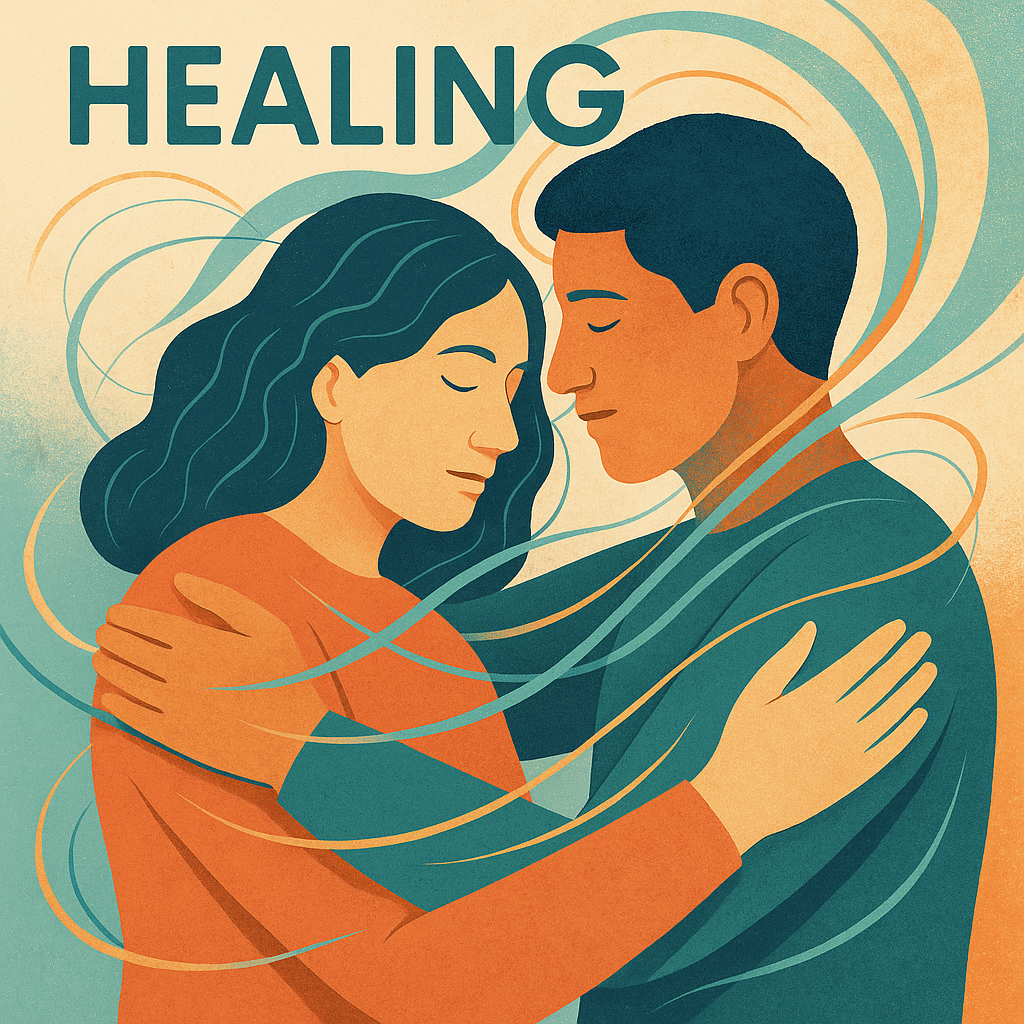
Healing isn’t a mystery. It’s a map—but most people were never handed the directions. They’ve been told to “move on” without ever having a safe place to land. They’ve been passed between providers, retraumatized by broken systems, and left to navigate their pain alone.
At Kinship, we understand that trauma isn’t just a memory—it lives in the body, the mind, the choices, and the relationships we carry. Healing requires far more than just talk. It demands safety, connection, and care that’s consistent and trauma-informed from the ground up.
What Trauma-Informed Healing Means to Us
We don’t ask, “What’s wrong with you?”
We ask, “What happened to you?” And then we stay to listen.
We recognize the four trauma responses—fight, flight, freeze, and fawn—and understand how they show up not just in crisis, but in everyday behavior.
We understand survival mode.
When your brain perceives danger, it adapts instantly. It prioritizes survival over joy, connection, and long-term planning. Most people don’t even realize they’re still operating from that place—because they’ve been living that way for decades.
We believe in neuroplasticity.
The brain can change. Healing is not only possible—it’s backed by science. But only when we create conditions where safety is felt, not forced.
We fight for continuity of care.
Too many trauma survivors are re-injured by the very systems meant to help them. One woman told us how she finally found a therapist she trusted—only to lose her when the clinic closed. It was the third time she had to start over. That’s not support. That’s harm with a new name.
This is the Shift: From Silence to Science, From Surviving to Healing
We’re done with patchwork solutions and siloed systems. The mental health landscape today is uncoordinated, underfunded, and built on bureaucracy—not care. There’s no standardization. No infrastructure. And very little recognition of trauma’s full impact. Everything is reaction-based—designed to respond to crises, not prevent them.
Kinship is different.
We are building a healing-centered model that:
Acknowledges the deep-rooted nature of developmental and complex trauma.
Prioritizes long-term support, not just short-term stabilization.
Builds community-based care that lasts.
Trains caregivers and professionals in the actual science of trauma.
Honors lived experience as expert knowledge.
Healing is Possible—But It Has to Be Designed That Way
When people say “healing takes time,” they’re right—but it also takes trust, consistency, and intention. We don’t heal in isolation. We heal in connection. With care that doesn’t abandon us. With people who don’t flinch when we tell the truth. With systems that are built to walk with us—not over us.
Kinship is doing more than offering hope. We’re building the bridge to it.
No Lightning Bolt, Just Breadcrumbs
Something many people miss: transformation doesn’t arrive in a single thunderclap moment. It isn’t about waiting for that one lightning bolt of clarity, the dramatic “aha!” that suddenly changes everything.
Real growth feels quieter, subtler. It happens in motion—forward steps that don’t always announce themselves as monumental. It happens in ordinary days, in choices that don’t look like much at the time. Yet those very choices are what stitch together the fabric of your life.
The Trap of Chasing the Path
We often get caught searching for the formula, the steps, the map that will guarantee the outcome we so badly want. We think: If only I could find the right path, then I’d finally get there.
But your story reveals a deeper truth:
- The path is never the way you imagine it.
- The unexpected way turns out to be the best way.
- What feels like detours often becomes the very road you were meant to walk.
It’s only when you stop clinging to the plan and allow life to unfold that you discover the route is richer, wiser, and more fitting than anything you could have scripted.
The Gift of Choice
And at the heart of it all is choice. Not the grand, once-in-a-lifetime decision, but the small, almost forgettable ones.
- Choosing to say yes when fear tells you no.
- Choosing to keep going when giving up feels easier.
- Choosing to open the door, take the call, extend the kindness, walk the mile.
In the moment, they don’t feel monumental. They feel like “just the next step.” But years later, when you turn around and look back, you can see them for what they really were: breadcrumbs.
Each one leading to the next, forming a trail you didn’t even realize you were laying down. And that trail is what shaped you—your character, your resilience, your wisdom.
The Quiet Miracle of Becoming
So when you look back now, you can see the forward movement, the progress, the steady unfolding of who you are. It wasn’t one lightning bolt that transformed you. It was the accumulation of hundreds of choices, woven together, building you from the inside out.
The truth is this: healing and becoming isn’t about chasing lightning bolts. It’s about trusting the breadcrumbs—and honoring the power of the everyday choices that quietly, faithfully, lead you home to yourself.
Subscribe to The Kinship Initiative Newsletter
 The Kinship Initiative