Cindi’s Story: The Heart Behind The Kinship Movement
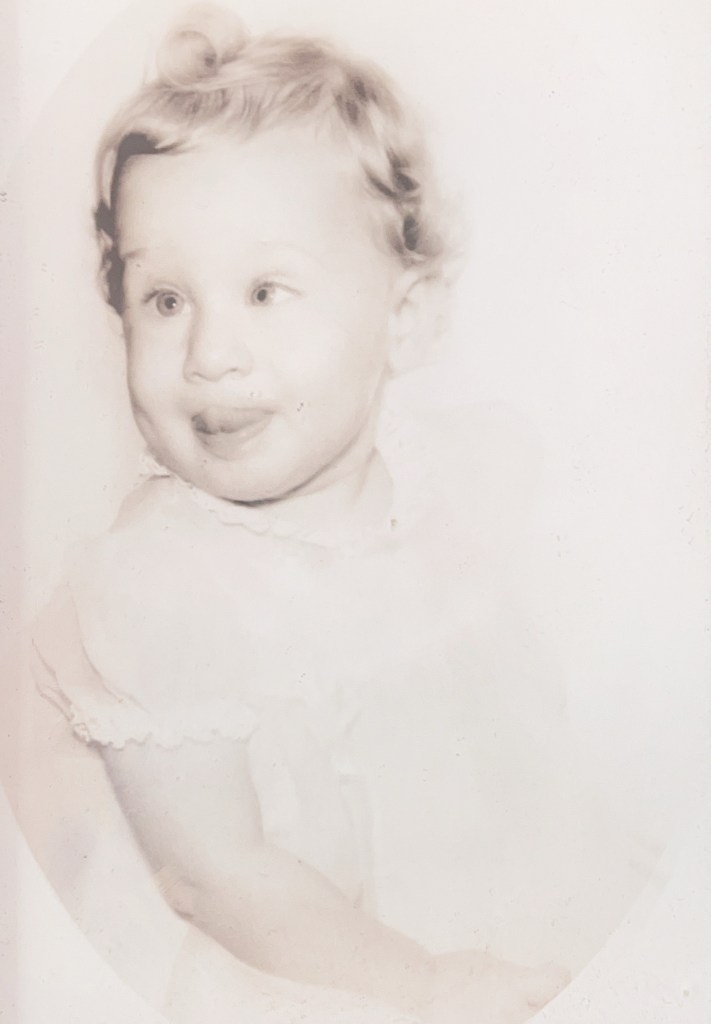
From trauma to transformation. From survival to solution.
Cindi’s story began in foster care, where she and her siblings were separated, shuffled,
and silenced by a system that wasn’t built to care. She carried that trauma for
decades—until she decided to do something about it.
Today, she’s an author, advocate, speaker, and the visionary behind the Kinship
Initiative—a new framework to heal communities and change the way we care for
children and families.
Her message is clear: healing is possible, change is urgent, and we don’t have to
keep doing things the old way. Cindi brings truth, hope, and fierce compassion to
everything she touches—and she’s inviting all of us to build something better.
Foster Care at Twelve
I was twelve years old when the foster care system took me and four of my siblings away from our mother. The youngest of us was just three. That removal marked the beginning of a nearly three-year journey through foster care, during which I lived in three different homes. My siblings and I were shuffled around, always separated, and every time we moved, we were handed trash bags to carry our belongings. It may sound small, but it was one of the clearest signs: dignity had no place in the system.
We weren’t removed by the state. My mother, overwhelmed by life and battling untreated mental illness, made the heartbreaking decision to place us into foster care herself. She had just gone through her third divorce and was only 32 years old—with six children. She didn’t have the resources, the support, or the kind of care she needed to stay afloat. And no one stepped in to help her early enough. If they had—if someone had recognized the signs and responded with compassion and support—everything might have been different. My family might have stayed together. We might not have lost so much.
Because no one addressed my mental health during that traumatic time, I developed PTSD. And I lived with it for decades. I didn’t even know that’s what it was, because no one talked about trauma back then—especially not in foster care. Help wasn’t offered. It wasn’t even discussed. The system missed it entirely. And here’s what needs to be made perfectly clear: the PTSD that children experience in foster care is, more often than not, caused by the system itself. It isn’t usually about what happened before they were placed. It’s what happens because they were placed.
Because no one intervened with mental health support early. Because no one asked what was really needed. Because no one prioritized healing. This trauma could have been prevented. My PTSD could have been prevented. If someone had stopped to address mental health before we were ever placed in the system, I am certain my story—and the stories of countless others—would have been entirely different.
Back then, no one spoke of mental health. No one asked how we were doing emotionally. No one even seemed to consider that trauma had any effect on our minds, hearts, nervous systems or futures. The system wasn’t broken—I’ve come to realize it was working exactly as designed. It managed files, not children. It moved cases, not lives. And what it absolutely did not do was heal. The foster homes we were placed in, the many social workers we interacted with, none of them were equipped to deal with traumatized children. Even when I became a foster parent myself years later, I watched the same story unfold. Children removed from my care within hours, no warning, no transition, no dignity.
That’s why I created Kinship.
But before I built the framework for Kinship, I wrote the books. My memoirs are more than stories; they are survival, healing, and education. They document what it means to live in survival mode, how trauma wires our brains and informs every choice we make—who we trust, who we marry, how we show up in the world. My writing isn’t about blaming; it’s about understanding. It’s about showing what mental illness really looks like, especially when it goes untreated. I weave in lived experience, real statistics, and easy-to-understand insights into terms like dual diagnosis, comorbidity, and personality disorders. My hope is that readers don’t just empathize with the story—they learn from it.
Mental illness is more contagious than we admit. It’s also more prevalent. We need to stop pretending it’s rare or shameful.
We don’t question going to the doctor when we’re sick. Why should it be different for our mental and emotional health? If anything, we should be prioritizing it. That’s what Kinship is about—creating a framework for healing, not just for kids in crisis, but for entire communities. And that’s why I speak, write, and advocate—to help people see it clearly.
I don’t tell my story to sensationalize it. It’s salacious enough on its own. I tell it because it’s the foundation for everything I’ve built. Because it shows that even without a safety net, even with no functioning family to teach me how the world worked, I survived. And more than that, I learned. I watched. I paid attention. And I had what I call “Godwinks”—people, jobs, moments that showed up just when I needed them. I didn’t earn them, but I received them. And because of them, I made it.
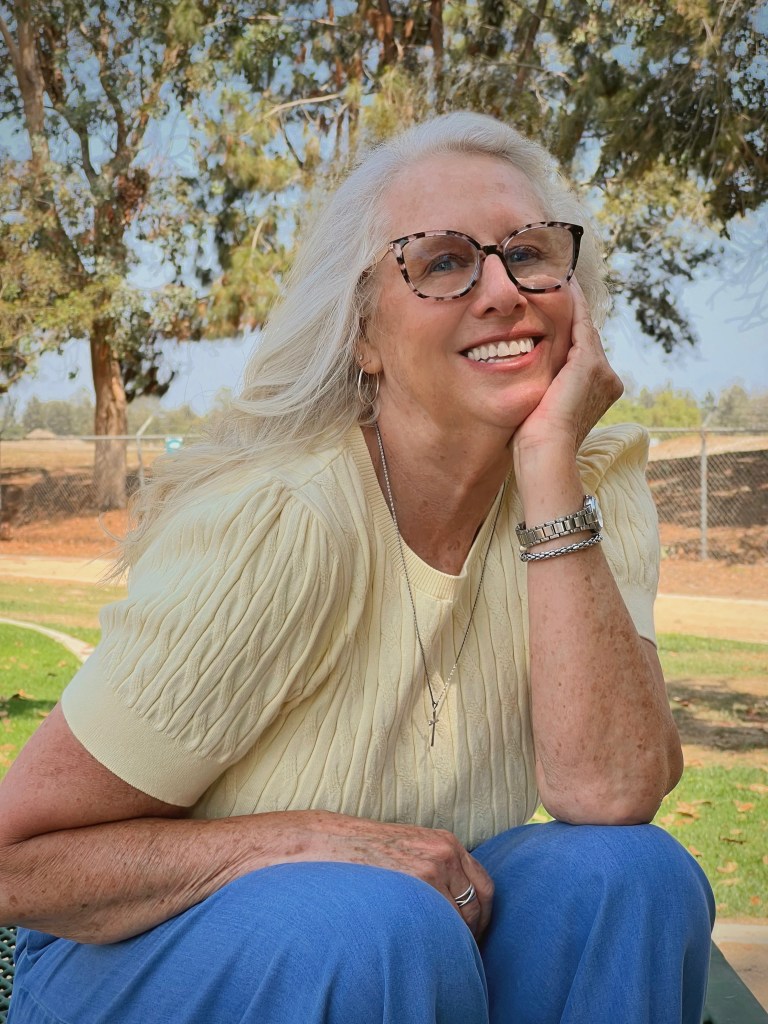
A Life of Advocacy and Care
I married a man with mental illness. I didn’t recognize it then, because I hadn’t done enough healing myself. That marriage is part of my story too—a lesson in how unhealed trauma chooses partners. And it was painful. But it taught me what I needed to learn to help others avoid the same patterns. I helped raise my sisters’ children, through the system and outside of it. I gave them what I could—structure, presence, love. I stood by them, whether legally or unofficially, because that’s what family should do. I did the same for my sister when I could, though the system and our own wounded family members often made that impossible. The losses I’ve endured—in my family, in our futures—aren’t just personal. They’re systemic. And they’re preventable.
Throughout my journey, one word has threaded its way through every chapter: kindness. I write about it often and intentionally, because kindness matters. It is what helped me survive, and it is what I offer now in return. The kindness of strangers saved me more than once. The kindness I show others today is how I honor those moments.
Hope Fueled by Action
I know this framework can work because I’ve seen what happens when people come together for a united cause. Through disaster relief and other forms of volunteering, I’ve witnessed how quickly things can change when people care deeply and act collectively. That’s what I’m calling out now. That’s what I’m asking of anyone who hears my story—to be part of this with me. To see that while this is a complex problem, the solution doesn’t have to be. The Kinship framework is simple. It’s scalable. And it’s cost-effective. We don’t need more money—we just need to move it to the right places.
In fact, it’s been proven: for every $1 invested in this kind of healing care, we save $7 in the long run. So even if you’re only motivated by the bottom line, this solution is for you too. And the best part? You’ll be able to sleep at night knowing your community is safer, stronger, and healthier because of it.
A Vision for the Future
My hope is that the Kinship Hub becomes the long-term foundation of every healthy, thriving community—and that, year after year, the need for its intervention shrinks. Kinship should do its job so well that it actually reduces what we see today:
homelessness, addiction, incarceration, and untreated trauma.
We won’t eliminate mental illness, but we can manage it with compassion, consistency, and care. That’s the goal. That’s the future I believe in. I want everyone to know: your pain doesn’t disqualify you. Your voice matters. Your experience is valid. And you deserve to be seen, heard, and supported. My story isn’t over—and neither is yours. Let’s build something better together.
Book Cindi to Speak
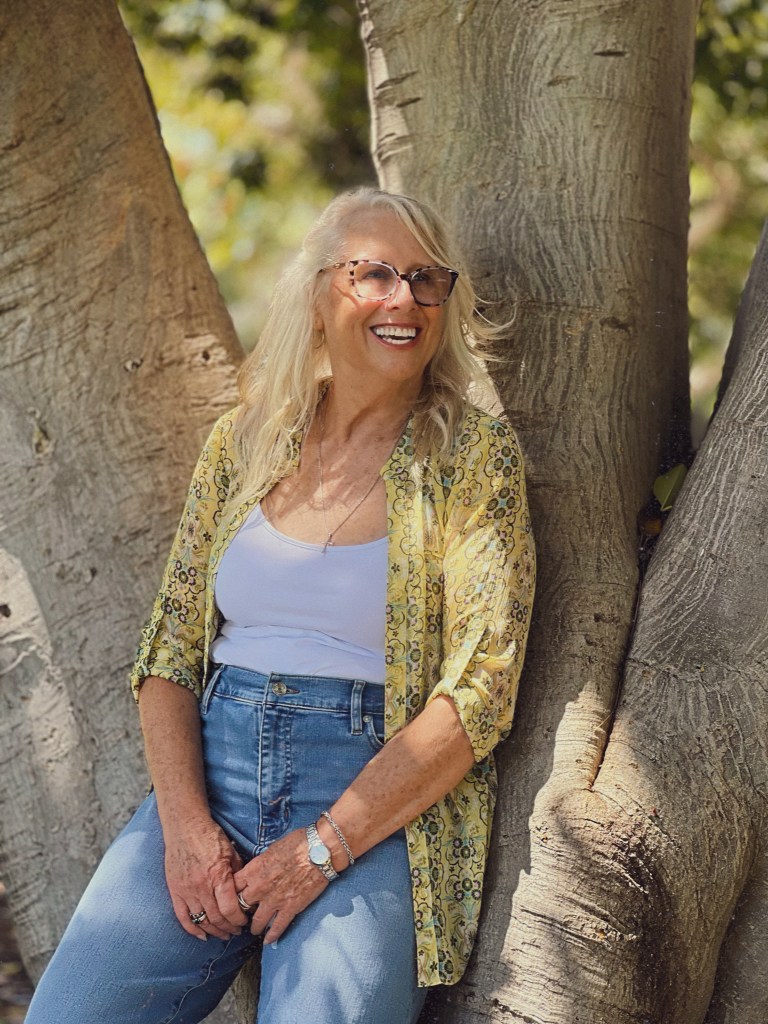
From survival to solution—one story, one room, one heart at a time.
Cindi speaks from the heart—and from lived experience. Her voice is clear, compassionate, and unflinching. She’s walked through the system, survived it, studied it, and built a healing-centered alternative to replace it.
With a background in professional training and an innate ability to connect with any audience, she brings clarity, urgency, and truth to the conversation around child welfare, trauma, and mental health. Cindi isn’t here to perform. She’s here to transform.
Whether you’re a school, nonprofit agency, medical clinic, hospital, community group, or government policymaker—if you care about doing things differently, she’s ready to speak to your people.
Real Stories. Hard Truths. Honest Hope.
With decades of lived experience, years of healing, and a heart for service, Cindi speaks with power, clarity, and compassion. Her audiences don’t just hear her words—they feel them. And they leave inspired to change something: their community, their perspective, their approach.
Cindi spent years as a corporate trainer, honing her ability to engage, educate, and hold space for others. But it’s her authenticity and empathy that make her unforgettable. She doesn’t shy away from the hard truths—she speaks them plainly, with kindness. And she always brings it back to hope. She often says she speaks better than she writes. That’s because for Cindi, connection is everything. Whether she’s standing in a church, a conference room, a classroom, or a statehouse, her message is clear: We can do better. And here’s how.
Cindi doesn’t just talk about problems. She brings solutions. She’s lived through the foster care system. She’s battled trauma and PTSD. She’s raised her sisters’ children. She’s been a foster parent. She’s walked beside family members with severe mental illness.
And through it all, she’s taken the pain, the patterns, and the powerful lessons—and turned them into a movement.
Her talks blend real-life stories, statistics, education, humor, and deep compassion. She’s not afraid of the hard parts. But she never leaves people in despair. She gives them a way forward—and the belief that change isn’t just possible. It’s already happening.
Topics Cindi Speaks On:
- Life in the foster care system and its lifelong impact
- Building community-centered, trauma-informed support
- The truth about trauma and what healing really looks like
- Why kindness matters and how it saves lives
- Mental health: Removing stigma, increasing care
- Godwinks, faith, and finding strength in the struggle
- How storytelling builds bridges and sparks change
- The Kinship Initiative: A new framework for child welfare
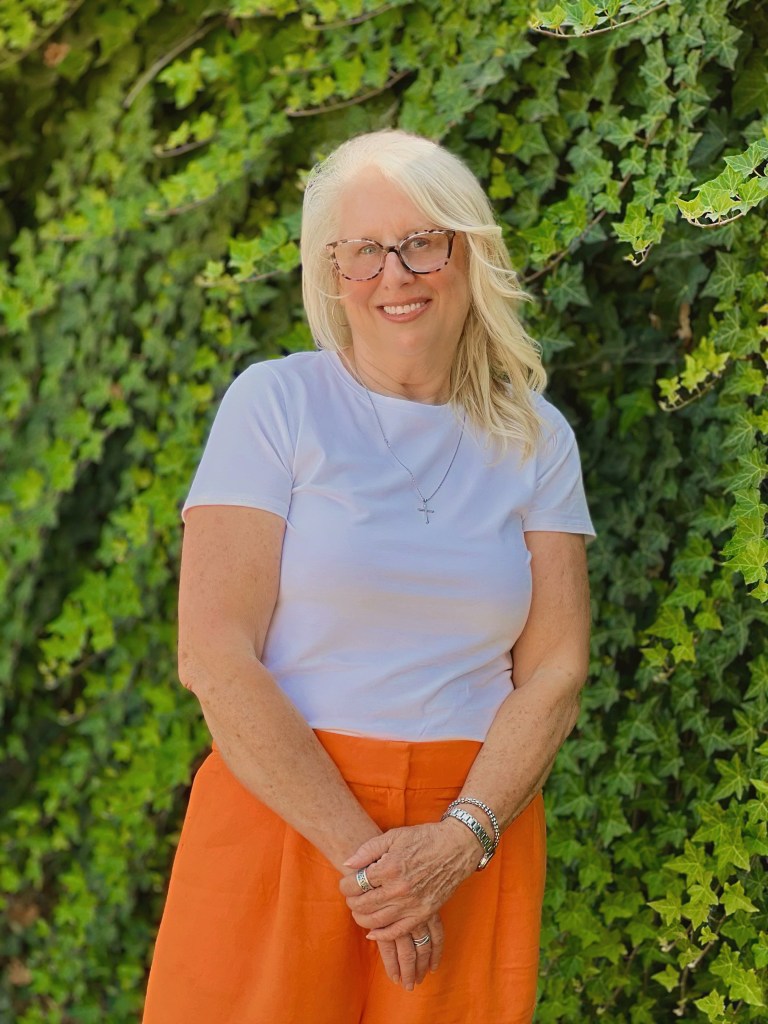
Let’s Work Together
Cindi speaks at conferences, schools, churches, government agencies, medical facilities, nonprofits, and anywhere people are ready to learn, reflect, and grow.
If your audience is ready to be moved, challenged, educated and equipped—she’s ready to show up.
Please fill out all required fields and briefly let us know what you’d like to speak with Cindi about.
A member of our team will get back to you shortly.
Thank you for your response. ✨

Subscribe to the Kinship Initiative Newsletter
 The Kinship Initiative