At The Circus: A Memoir Series
Coming Soon.





Five books One voice A life unscripted
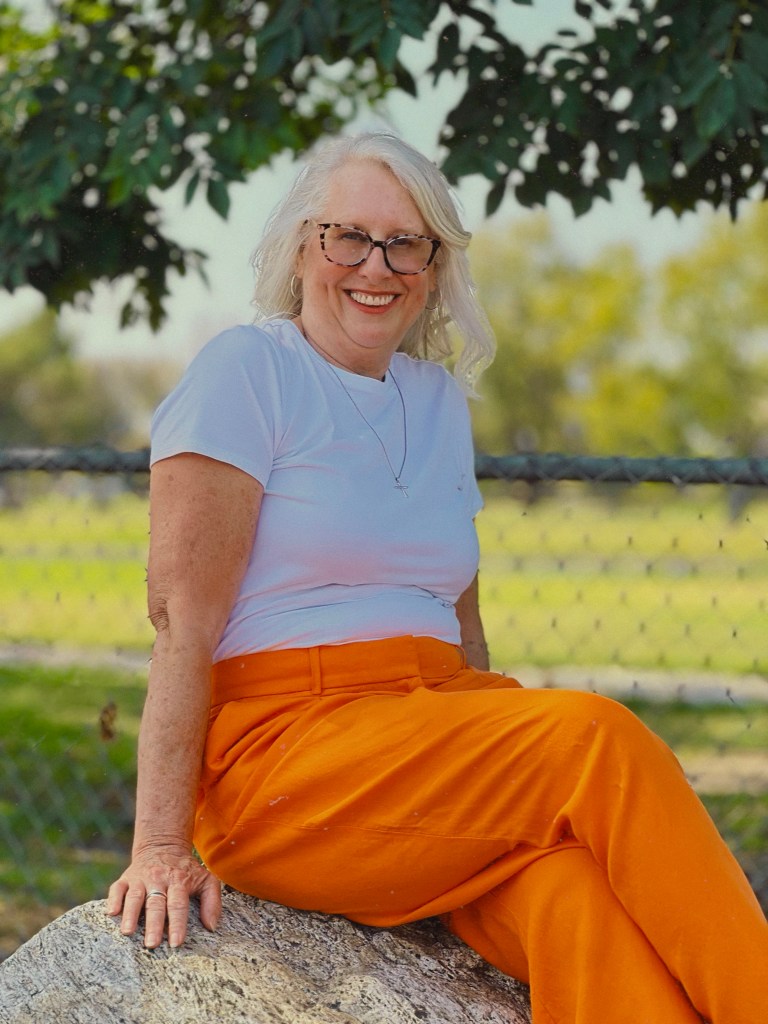
At the Circus is a five-part memoir series chronicling Cindi’s lived experience in and around the foster care system, generational trauma, and the long, often unseen road to healing. Each book captures a distinct era of her life, told in braided narratives that mix memory, reflection, grit, heartbreak, and Godwinks.
These books are deeply personal. But they are not just for Cindi.
They are for the children who were never seen. The families torn apart. The advocates looking for a better way. And the readers who want to understand what really happens behind the scenes of a system built to manage, not to care. This series is the heartbeat of the Kinship Initiative. It reveals why Kinship matters—and what it takes to build something better.
When Systems Fail Lives Are Lost
This is a story of loss—Not just dreams or potential, but people. Real connections. Real love. Real lives. When the system fails, it doesn’t just inconvenience people. It costs them everything.
But Cindi survived. She grew. She healed. And now, she tells her truth—not to dwell in pain, but to light a path out of it for others.
An Unflinching Voice A Fierce Heart
The series is candid, layered, and unexpectedly hopeful. Cindi writes with grit, grace, and unwavering honesty. She brings you with her through each chapter of her life—from survival mode to self- discovery, from devastation to healing. It’s a love letter to those who were never given a way out. And a blueprint for how we can do better.
A Braided Memoir Told in Five Acts
Each book represents a new phase of Cindi’s life, tied together through themes of trauma, faith, resilience, and transformation. The structure is cinematic, emotional, and grounded in the truth of lived experience. Every chapter builds on the last, revealing not only Cindi’s journey—but the deeper questions about how we care for one another.
Start the Journey
From childhood chaos to adult clarity, from unspeakable loss to unexpected hope—this is a memoir series for anyone who’s ever felt invisible, and for everyone ready to make sure no one else ever has to.
Book One: Thrown Into the Ring
Surviving Childhood, Foster Care, and the First Acts of Chaos.
Thrown Into the Ring tells the story of a young girl forced into a chaotic world she never asked to join. It opens with a child trying to make sense of life under the control of a mother whose undiagnosed bipolar disorder dictated every moment of the household. With five siblings, no father, and no stable ground to stand on, the family is thrust from crisis to crisis—poverty, instability, emotional neglect, and, ultimately, foster care. The book explores what it means to grow up in a home where survival is the only goal. There are terrifying late-night car rides. Deafening silence from systems that should have seen her. And the gut-wrenching moment she’s separated from her siblings. She moves through three foster homes. With each one comes both loss and revelation. Trash bags become suitcases. Disbelief becomes discernment. Grief turns into a guarded kind of hope.
But it’s not just about what was taken from her. It’s also about what was planted in her—intuition, quiet strength, and the beginnings of a faith that would become her anchor. It was during this time she experienced life-changing kindness, discovered God for the first time, and felt the early pull of her future voice.
The book closes with her return home at almost 15. The family has changed. So has she. What was supposed to be a reunion feels like something else. But her determination to make sense of the chaos—and rise above it—never wavers. This is more than the beginning of a memoir. It’s the foundation of a legacy. A story of pain, yes. But also of resilience, grace, and a girl who refused to disappear.
This first book in the series tells the story of Cindi’s early years, from a home where her mother’s untreated mental health was the ringmaster of the chaos to the traumatic years in foster care with her siblings. It was here she learned to survive by instinct—but instinct, when shaped by trauma, rewires the brain and nervous system. This kind of survival becomes subconscious, involuntary, and often invisible to the outside world, but not to the trained, trauma-informed eye. It sets the stage for how a life unfolds without ever realizing it’s still in survival mode.
Book Two: The Tightrope Walk

Balancing Chaos and Control.
The Tightrope Walk follows Cindi’s life after foster care—when she returns home not to comfort, but to more instability. She moves in with her aunt and uncle, but the feeling of safety is short-lived. What’s supposed to be a return to normal turns out to be just another balancing act between fractured family ties, old survival habits, and a new attempt at stability.
Still in school, Cindi begins navigating independence without a roadmap. She doesn’t just find a job—she creates one. She builds a babysitting business, delivers newspapers, and uses every earned dollar to buy her first moped. It’s more than transportation. It becomes a symbol of peace, adventure, and the quiet control she never had at home. She learns to rely on her instincts—instincts shaped by trauma, but now sharpened by necessity. That moped doesn’t just get her from place to place. It feeds her adventurous soul and gives her moments of calm in a world that still feels anything but. She moves frequently—not for adventure, but because life keeps shifting beneath her. She lives with coworkers. With friends. With a boyfriend. Eventually, she lands her first real roommate—someone who becomes both companion and witness to her early adulthood. Each living situation teaches her something new. Each job—from a residential care facility to a local restaurant, to a car dealership and a tech reseller—gives her insight into leadership, compassion, and connection.
At nineteen, her path takes a dramatic turn. Her brother is severely injured, and she returns from Los Angeles to become his medical guardian. Though she manages his care for only several months—until he turns eighteen—she remains closely involved for years. She’s by his side through many surgeries and long hospital stays, all while trying to stay afloat herself.
She falls in love for the first time—but it feels foreign. Unfamiliar. Unsafe in a way that’s hard to explain. When kindness and steadiness are new territory, it’s easy to mistake them for a trap. She runs. Then betrayal finds her anyway. Meanwhile, her siblings are spiraling. She tries to intervene, but her reach only goes so far. Her mother, still untethered, remains addicted to drama. And slowly, Cindi begins to understand how deep the cycle runs—and how hard it is to escape when you’re still walking the tightrope.
The Tightrope Walk is about survival without applause. About finding freedom in small, defiant choices. It’s about the space between who she was and who she’s becoming. And by the end, she’s not free yet—but she’s closer. She cleans her room—literally and metaphorically. The weight of survival begins to lift. And for the first time, she starts to wonder if maybe she wasn’t meant to live on a tightrope forever.
Book Three: The Clown Act
Marriage, Illusion, and the Mask That Slipped.
The Clown Act continues the raw and revealing journey of Cindi’s life—this time exploring the chaotic performance that was her marriage. On the surface, everything looked fine. There was laughter, affection, and the illusion of normalcy. But behind the face paint and carefully practiced routines was a marriage unraveling—marked by secrecy, financial betrayal, emotional absence, and a growing sense that something was deeply off.
This volume introduces key turning points:
A powerful Godwink—the moment she’s hired at a technology company that becomes her long-term career home and lifeline to stability.
The introduction of Angela, a profoundly grounding friendship and the first emotionally healthy relationship in her life.
The milestone of buying her first home, earning consistent income, and receiving her first bonus—glimmers of a life she never thought possible, even as her marriage quietly crumbles.
Through it all, she begins to recognize what her trauma-wired brain has tried so hard not to see: survival loyalty has kept her tethered to a relationship that’s slowly eroding her. She sets boundaries. She seeks counseling. She finds her way to Al-Anon and begins the slow, painful process of untangling—not just from her husband, but from the dysfunction she was raised in. But even as healing begins, the weight doesn’t lift. Just as one chapter begins to close, another load of responsibility arrives. She takes in more family. Shoulders more emotional burden. Holds more grief than one person should.
The Clown Act is both heartbreaking and triumphant. It’s the story of someone trying desperately to hold together a life that keeps falling apart. It’s about strength, about support, about the beginning of clarity. And while she doesn’t find freedom yet, she begins, for the first time, to look for it.
Book Four: Taming the Lions

A story of advocacy, betrayal, resilience, and the fight for what’s right.
In Taming the Lions, the chaos of the circus intensifies as the stakes rise. This book centers on the fight for the children—custody battles, legal barriers, and the maddening gaps in a system that too often fails the very people it’s meant to protect. Cindi steps fully into the role of advocate, protector, and warrior—not just for her twin nieces, but also their brother, and later, for her sister.
The story follows her relentless pursuit of justice: filing for visitation rights, hiring a private investigator, showing up to court again and again—all while juggling a demanding career and the emotional wreckage of a family on the brink. There are moments of heartbreak, like the girls being taken out of state without warning. But there are also victories—court orders, long-awaited reunions, and the glimmer of hope that maybe, doing the right thing might finally pay off.
Meanwhile, her husband is unraveling. He remains chronically unemployed, financially manipulative, and emotionally unstable. Eventually, he’s diagnosed with comorbid Borderline Personality Disorder and Dependent Personality Disorder. The diagnosis is both devastating and clarifying. For the first time, Cindi can see him through the lens of trauma-informed care—and while the relationship has caused years of damage, her empathy still drives her to advocate for the right treatment: DBT, CBT, mindfulness, and the chance at stability.
Her nephews’s story unfolds in parallel—brilliant but emotionally volatile, expelled from school, and eventually sent back to his father after every last option has been exhausted. His breakdown, the police intervention, and the broken dynamic with her husband all reveal the brutal cost of untreated trauma and the limits of what one person can carry.
Then there’s her sister. Cindi tries—twice—to help her through a faith-based recovery program. But addiction treatment without mental health care is a revolving door. Without a dual-diagnosis plan, Michelle ends up back on the streets, and Cindi begins to speak openly about what’s missing from our addiction recovery model.
By the end of Taming the Lions, Cindi is no longer just surviving the circus—she’s fighting to transform it. With legal wins, growing knowledge of the mental health system, and a fire fueled by truth and compassion, she begins laying the foundation for something bigger: a future built on advocacy, healing, and systemic change.
Book Five: The Final Act
The Road to True Freedom.
The Final Act is the culmination of a lifelong performance—one that began in survival and ends in sovereignty. After decades of chaos, caregiving, and clinging to hope, this final installment in the At the Circus series tells the story of what happens when the curtain finally drops on dysfunction.
In this book, Cindi steps out of the role she was cast into and reclaims the role she was born to play: her own.
With raw honesty and hard-won wisdom, she reflects on leaving the marriage that mirrored her childhood pain, stepping fully into her own worth, and dismantling the systems—both personal and institutional—that never protected her or the children she tried to save. This is the story of grief and grace, of ending what needed to end, and of starting something entirely new.
It is also where The Kinship Initiative is born—a bold, healing-centered vision to replace foster care with something sacred. Each chapter weaves together personal narrative and visionary policy, showing how the deepest wounds can become blueprints for collective healing.
This isn’t just the story of leaving. It’s the story of becoming.
Because healing isn’t a final destination—it’s a way of walking.
And in The Final Act, Cindi finally walks away from the circus for good.
Not just free. But whole.
Join the Movement
You’ve read the stories. You’ve seen the cracks. Now it’s time to be part of the solution.
Whether you’re a parent, policymaker, teacher, neighbor, or simply someone who cares—Kinship needs you. This isn’t a one-person mission. It’s a movement. And together, we can create a future where healing is possible, community is real, and no one falls through the cracks.
Sign up for updates, stay informed, and get involved. Together, we are our Community’s Immunity.
Subscribe to The Kinship Initiative Newsletter
 The Kinship Initiative